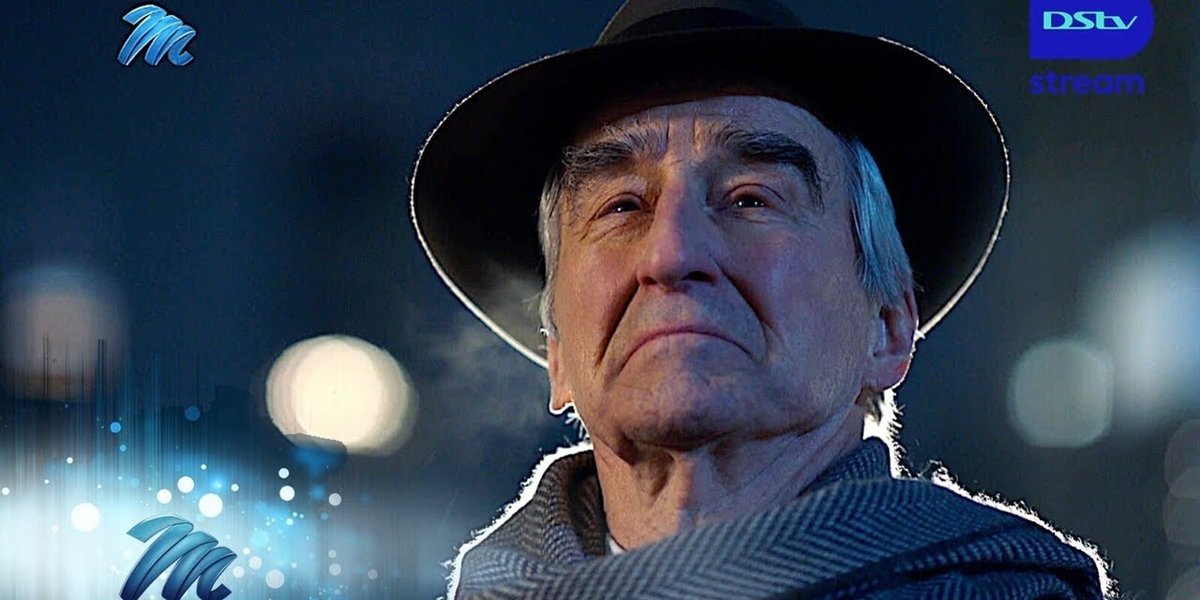
From the iconic "dun-dun" to the complex legal battles, Law & Order has carved out a unique space in television history, evolving with the times while staying true to its classic formula. Season 23 of the venerable procedural crime drama was no exception, offering a fascinating blend of fresh faces and poignant farewells, all while tackling headlines ripped straight from contemporary society. Diving into the Behind-the-Scenes of Law & Order Season 23 reveals not just the meticulous craft of television production, but also the human stories, challenges, and triumphs that shape each gripping episode.
As a journalist who’s spent years dissecting the mechanics of storytelling and production, I can tell you that the magic of Law & Order isn't just in its scripts; it's in the delicate dance of casting, writing, and real-world resonance. This season presented a masterclass in adapting to change, maintaining relevance, and keeping a decades-old franchise vibrant.
At a Glance: Key Season 23 Insights
- New Blood: Detective Vincent Riley, played by Reid Scott, joined the cast in the season premiere, bringing a fresh dynamic to the NYPD Homicide squad.
- A Fond Farewell: Veteran actress Camryn Manheim (Lt. Kate Dixon) departed the series in the emotionally charged season finale.
- "Ripped from the Headlines" Refined: The premiere tackled complex issues of free speech and hate speech on campus, reflecting ongoing societal debates.
- Personal Stakes: The finale introduced a deeply personal storyline for District Attorney Nicholas Baxter (Tony Goldwyn), featuring his real-life daughter, Tess Goldwyn, as his on-screen daughter, Carrie.
- The Enduring Formula: Despite significant changes, the show maintained its signature two-part narrative structure: police investigation followed by legal prosecution.
The Art of the Entrance: Welcoming Detective Vincent Riley
Every long-running series eventually faces the challenge of refreshing its cast, a move that requires careful consideration behind the scenes. For Law & Order Season 23, this meant introducing Detective Vincent Riley, portrayed by the talented Reid Scott, known for his roles in Veep and The Marvelous Mrs. Maisel. His arrival in the season premiere, "Freedom of Expression," wasn't just a new face on screen; it was a deliberate strategic decision designed to inject new energy into the squad room and the show's overall dynamic.
Bringing in a new lead detective involves a rigorous casting process. Producers look for actors who not only fit the established tone of the show but also bring a unique quality that can spark new chemistry with existing cast members. For Scott, stepping into the formidable shoes of a Law & Order detective meant navigating a world with decades of history. Behind the cameras, this transition involved extensive script reads, character discussions with showrunners, and on-set rehearsals to ensure a seamless integration into the tightly-knit ensemble.
The introduction of Riley alongside Jalen Shaw (Mehcad Brooks) offered immediate storytelling opportunities. Writers could explore new angles of partnership, contrasting their investigative styles and personal philosophies. This dynamic is crucial for a procedural, as the relationship between the lead detectives often forms the emotional core of the police half of each episode. Scott's presence allowed for fresh dialogue, new conflicts, and ultimately, a renewed sense of unpredictability that keeps viewers engaged, episode after episode. This kind of casting decision is a testament to the ongoing vitality of Law and Order Season 23 and its ability to reinvent itself.
The Bittersweet Exit: Bidding Farewell to Lt. Kate Dixon
While new beginnings bring excitement, goodbyes often carry a heavier weight. Season 23 marked a significant farewell with the departure of Camryn Manheim as Lieutenant Kate Dixon in the season finale, "In Harm's Way." Manheim, an Emmy-winning actress, had been a grounding presence on the show, embodying the calm, authoritative leadership of the precinct's commanding officer.
The decision to write out a beloved character is never taken lightly. Behind the scenes, it involves discussions between the actor, producers, and writers to ensure a storyline that honors the character's legacy and provides a satisfying, albeit emotional, conclusion for viewers. This isn't just about moving pieces on a chessboard; it's about respecting the fictional lives built over many seasons and the real-world connection fans have formed with them.
For the cast and crew, filming a final episode with a departing colleague can be a poignant experience. There's a palpable sense of closure, often accompanied by shared memories and heartfelt goodbyes on set. The writing team meticulously crafts the exit storyline, aiming for impact without overshadowing the central case of the episode. Lt. Dixon's departure in the finale likely allowed for a nuanced portrayal of leadership transition and the emotional ripple effect within the squad, reminding us that even in the gritty world of crime fighting, personal connections run deep. Such character shifts are often crucial turning points in a series' run, influencing future storytelling arcs.
"Freedom of Expression": Crafting Timely Narratives
One of Law & Order's enduring strengths lies in its ability to draw inspiration from real-world events, often dubbed "ripped from the headlines." The Season 23 premiere, "Freedom of Expression," exemplifies this approach by delving into the complex and often contentious issues surrounding free speech and hate speech on a university campus after a murder.
Behind the scenes, tackling such sensitive and legally intricate topics requires extensive research and careful navigation. The show's writers don't just pluck a headline; they deconstruct the ethical, legal, and social dimensions of the real-world analogs. This often involves:
- Consulting Experts: Legal scholars, academics specializing in constitutional law, and even former prosecutors or defense attorneys are often consulted to ensure the accuracy and nuance of the legal arguments presented.
- Multiple Perspectives: The writers strive to present different sides of a contentious issue, not necessarily to endorse one view, but to explore the complexities and moral dilemmas inherent in such cases. This is key to the show's impartiality in its legal half.
- Fictionalization: While inspired by reality, the specific characters, events, and outcomes are always fictionalized to avoid direct replication and to fit the dramatic needs of episodic television. This allows for creative license while maintaining thematic relevance.
The challenge for the writing team is to craft a compelling murder mystery that also serves as a vehicle for a broader societal discussion. How do you balance the urgency of a criminal investigation with a thoughtful exploration of academic freedom versus the protection of vulnerable groups? This balancing act is a cornerstone of Law & Order's narrative craft, ensuring that each episode is not just a whodunit, but also a reflection of contemporary societal anxieties and legal debates. The show acts as a mirror, holding up these complex issues for public examination through the lens of dramatic storytelling.
"In Harm's Way": The Personal Becomes the Professional
The season finale, "In Harm's Way," presented another compelling "behind-the-scenes" layer by bringing District Attorney Nicholas Baxter's personal life directly into a high-stakes case. The plot revolved around a sports star's murder, but the real dramatic tension came from Baxter's daughter, Carrie, emerging as a key witness. What made this particularly special was the casting: Carrie was played by Tess Goldwyn, Tony Goldwyn's real-life daughter.
This kind of familial casting is rare in a procedural, and it offers unique advantages and challenges for the production.
- Authentic Chemistry: The genuine father-daughter bond between Tony and Tess Goldwyn likely translated into an incredibly authentic and emotionally resonant on-screen dynamic. Their shared history and natural rapport could deepen the portrayal of a father caught between his public duty and his private concern for his child.
- Actor's Insight: For Tony Goldwyn, having his own daughter play his character's daughter could provide an unparalleled depth of understanding and emotional access to the role. He wouldn't just be acting like a concerned father; he'd be drawing on real paternal instincts.
- Production Logistics: While bringing a family member onto set can be a joy, it also requires careful management to maintain professional boundaries and ensure the story's focus. However, the emotional payoff in the final product likely made it a worthwhile endeavor.
The plot thickened with the revelation that Carrie's public testimony could impact Baxter's re-election campaign due to the confession of a family secret. This trope – where a legal professional's personal life intersects with their professional integrity – is a classic Law & Order narrative driver. It forces characters to confront difficult choices, exposing vulnerabilities and testing their commitment to justice. For the writing team, it's about raising the personal stakes to an unbearable level, creating dramatic tension that resonates deeply with the audience. This kind of intertwining of personal and professional lives highlights the human element at the heart of the justice system.
The Unseen Heroes: Production Beyond the Headlines
While new cast members and gripping storylines capture headlines, the vast machinery of television production works tirelessly behind the scenes to bring Law & Order to life each week. This involves hundreds of dedicated professionals, each playing a crucial role.
- The Directors: Responsible for translating the script into visual storytelling, managing performances, and orchestrating every shot. They ensure the pacing, tone, and visual style remain consistent with the Law & Order aesthetic.
- The Crew: Cinematographers, sound engineers, lighting technicians, set designers, costume designers, makeup artists – a legion of experts who build the world of the show, from the gritty streets of New York to the sterile environment of a courtroom.
- Location Scouts: Finding the perfect backdrops for a show set in New York City is an art form. From imposing courthouses to everyday apartments, each location must serve the story and feel authentic.
- Editors: The unsung heroes who meticulously piece together hours of footage, shaping performances, crafting suspense, and ensuring the narrative flows seamlessly, all while meeting tight broadcast deadlines.
- Legal & Technical Advisors: Beyond the initial research for "ripped from the headlines" plots, real-world police and legal advisors are often on set or consulted during production to ensure procedural accuracy in everything from how a crime scene is processed to how a legal argument is framed.
The relentless pace of episodic television demands immense dedication and coordination. Each episode is a mini-movie, often filmed in a matter of days, requiring quick decisions, adaptability, and a collective commitment to maintaining the show's high standards. The synergy between these departments is the true "behind-the-scenes" magic that enables Law & Order to consistently deliver compelling drama. This intricate dance of collaboration is what allows Law and Order Season 23 to captivate audiences season after season.
The Enduring Appeal: What Makes Law & Order Stick?
After over two decades and countless episodes, why does Law & Order continue to resonate with audiences? The answer lies in several core principles that the production team consistently upholds:
- Relevance: By continuing to draw inspiration from current events and societal debates, the show remains perpetually relevant, offering a dramatic lens through which to examine the world around us.
- Consistency: The show's two-part structure (police investigation, then prosecution) provides a familiar and comforting framework, allowing viewers to easily follow the narrative while focusing on the unique details of each case.
- Moral Ambiguity: Law & Order rarely offers easy answers. It excels at exploring the gray areas of justice, challenging viewers to consider complex ethical dilemmas and the difficult choices faced by law enforcement and legal professionals.
- The Human Element: Despite the focus on crime and legal procedure, the show never loses sight of the human stories at its core—the victims, the perpetrators, and the dedicated individuals who seek justice.
Season 23, with its blend of cast changes and timely narratives, perfectly encapsulates these enduring qualities. It demonstrated that even a venerable institution can evolve, adapt, and continue to deliver compelling stories that reflect the complexities of our world.
Your Next Step: Engaging Deeper with the Law & Order Universe
Understanding the Behind-the-Scenes of Law & Order Season 23 enriches your viewing experience, transforming you from a passive observer into an informed enthusiast. You begin to appreciate the layers of craftsmanship, the deliberate choices in casting and storytelling, and the sheer effort involved in bringing these narratives to your screen.
As the show continues its remarkable run, keep an eye out for these subtle cues: the nuances a new actor brings, the social issues explored in the "ripped from the headlines" plots, and the emotional depth when a character's personal life takes center stage. Each element is a testament to the enduring power of good storytelling and the dedicated teams who make it happen. So, the next time you hear that familiar "dun-dun," remember the intricate web of decisions, talents, and tireless work that went into crafting the drama unfolding before you.